
How to hand your landlord an ESA letter, with a sample email
Timing, wording and a paper trail matter more than most people expect. Here is how to make the request clear, calm and easy to approve.
Send your ESA letter to your landlord in writing, ideally by email, along with a short message asking for a reasonable accommodation: an exception to the pet policy so your animal can live with you. Attach the signed PDF, ask for a written decision by a specific date, and keep a copy of everything you send and receive.
The best moment is before the animal moves in. You can ask with your application, after you're approved but before you sign, or in the middle of a lease when the need comes up. You don't need a special form, a registration or a vest, and you never have to share your diagnosis. The request rests on the federal reasonable accommodation rule and on your state's fair housing law. If your landlord sends its own paperwork anyway, here is how to handle a landlord ESA form.
When to send it
There's no single right moment, but there is a wrong one: moving the animal in first and asking later. Until your request is approved, a no pets clause still applies, and a landlord who finds an unapproved animal may treat it as a lease violation before your request is even considered.
Here's how the options compare.
- With your application. Everything is on the table early and the landlord can plan. A landlord can't lawfully refuse to rent to you because of a disability, though some renters prefer not to raise it during screening.
- After approval, before signing. This is often the cleanest window. You know the unit is yours, and the accommodation can be written into the lease or a separate addendum.
- During a lease. Needs change, and you can ask at any time. Make the request before the animal arrives and give the landlord a reasonable time to respond.
If you live in California, Arkansas, Louisiana or Montana, factor in the client relationship of at least 30 days those states require before an ESA letter is issued. In Iowa, the letter must say whether you have had one. Start the letter process before you start touring, not after you find the place.
What to include and what to leave out
Your message only has to do three things: say you're asking for a reasonable accommodation for a disability, identify the animal, and attach the letter that supports the request. Short is better. A landlord or property manager can approve a clear, complete request quickly, while a long explanation tends to invite questions. Our guide to ESA rules for landlords shows what the other side is told to look for.
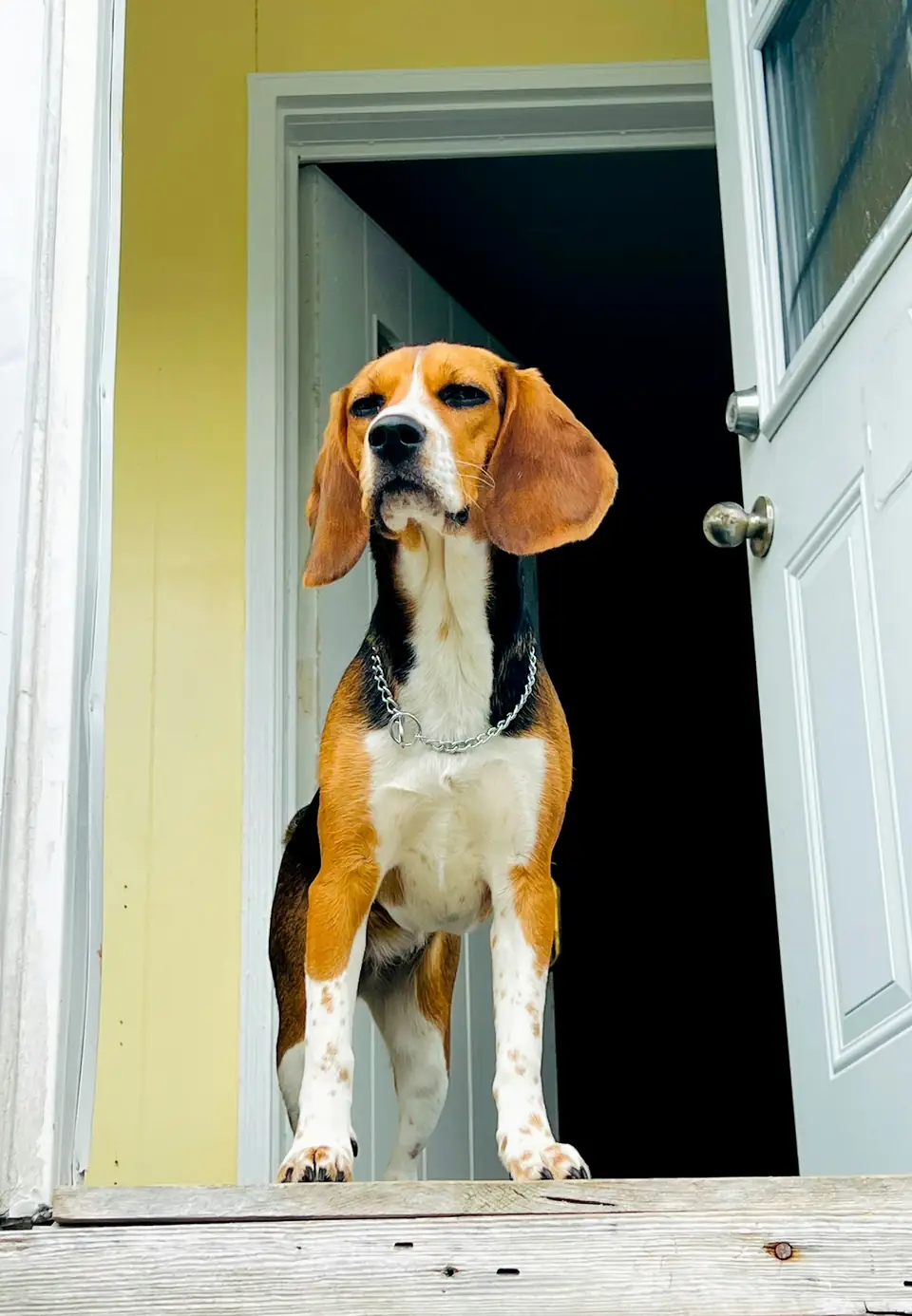
Include your name, the property address and unit, and the animal's name, species and a short description. Ask specifically for an exception to the pet policy, and if the property charges pet rent or a pet deposit, ask that those be waived as part of the accommodation. Several states require that waiver; our guide to pet fees and deposits explains where. The letter itself should look like our sample ESA letter, with the professional's license details, the date and a signature.
Leave out your diagnosis, medical records, therapy notes and the details of your history. Landlords aren't entitled to them, and several states say so in their laws, including Florida, Hawaii, Iowa, Minnesota and Montana. If your city or county requires pet licensing or rabies vaccination, attaching those records now saves a round of back and forth later.
A sample request email you can adapt
Adjust the names and details, keep the tone polite and plain, and send it from an email address you check every day.
Subject: Reasonable accommodation request for Unit 4B, 210 Elm Street
Hi Ms. Rivera,
I'm writing to request a reasonable accommodation for a disability. I have a disability related need for my emotional support animal, a cat named Juniper, and I'm asking that you make an exception to the building's no pets policy so she can live with me in Unit 4B.
I've attached a letter from a licensed mental health professional that supports this request. I'm also asking that the pet deposit and monthly pet fee be waived as part of this accommodation.
Juniper is vaccinated and I'll keep her records current. I'll follow the building's rules, and I understand I'm responsible for any damage she causes.
Could you please send me your decision in writing by the end of next week? If you'd like to verify the letter, the professional's license details are included in it. Thank you for your help.
Best regards, Dana Morales
What your landlord can and can't ask for
When your disability or your need for the animal isn't obvious, a landlord can ask for reliable documentation. That's exactly what your letter is for. The table below sorts the common requests.
| Usually fine to ask for | Not fine to demand |
|---|---|
| A letter from a licensed professional confirming a disability related need | Your diagnosis or how severe it is |
| A way to verify the letter, such as checking the professional's license | Your medical records or therapy notes |
| Proof of vaccination and local licensing, where state or local law requires them | A notarized statement, or their own form as the only acceptable proof, in states such as Florida and Illinois |
| Information about each animal you're asking to keep | An ESA registration, certificate, ID card or vest |
| Your agreement to follow building rules on leashes, waste and noise | Access to your treatment providers, in states such as Hawaii and Minnesota |
Since HUD's May 2026 enforcement memo, expect some landlords to ask more follow up questions about emotional support animals than they used to. You can answer reasonable questions about the animal and how it helps without giving up your diagnosis. FetchMyESA also offers free verification for landlords and property managers, which you can point them to on our page for landlords.
What a normal response looks like
A straightforward approval usually comes as an email or letter confirming the accommodation, sometimes with an animal addendum to sign. Read the addendum before you sign it. Rules about leashes, waste and noise are normal. A line charging pet rent for an approved animal may not be, depending on your state.
Approval can also come with conditions. Reasonable ones look like what any responsible owner does anyway: keep the animal leashed or carried in common areas, clean up after it, keep vaccinations current and pay for what it damages. If a condition quietly takes back the accommodation, such as a weight limit your animal can't meet or pet rent in a state that bars it, reply in writing and ask that it be removed.
No federal statute sets a deadline for the landlord's answer, but longstanding federal guidance treats an undue delay in responding as a possible failure to accommodate, and West Virginia's law says a landlord can't sit on a request without good reason. Asking for an answer within about ten business days is reasonable in most cases. Larger management companies sometimes route requests through a central team, which can add a few days.
Ask once, clearly, in writing. Then make it easy to say yes.
If they stall, ask for more, or say no
Most requests get a simple answer. If yours doesn't, work through these steps in order.
- Follow up in writing. If your date passes, send a short, polite reminder that restates the request and attaches the letter again.
- Answer reasonable questions. If they ask for verification or vaccination records, provide them promptly. If they ask for your diagnosis or records, reply that your letter confirms the disability related need and that you won't share medical details.
- Ask for the reason. If the answer is no, ask for the specific reason in writing. A denial has to rest on something concrete, such as a direct threat from the specific animal or a real problem with the documentation.
- Look up your state's rules. Many states protect emotional support animals under their own laws. Find yours on our state pages.
- Get outside help. Your state civil rights agency, a local fair housing organization or legal aid can advise you. HUD complaints must be filed within one year, and since May 2026 HUD finds cause only in cases involving trained animals. A private lawsuit under the Fair Housing Act can be filed within two years.
Our guide on when a landlord can deny an ESA goes through each lawful reason and how to respond to it.
Keep a simple paper trail
Create one folder, digital or paper, for everything: your letter, your request email, every reply, the lease and any addendum, vaccination records, and photos of the unit on move in day. If the landlord answers you in person, follow up with a short email that sums it up, such as thanking them for letting you know your request is being reviewed.
Most requests never need that folder. But if something goes sideways months later, at a lease renewal or when a new management company takes over, a clean record answers questions before they turn into disputes. If you'd like a letter that is built to be verified, the free assessment is the place to start.
Ready for your letter? If you don't have a letter yet, the free assessment is the first step, and you only pay if you decide to continue. Start the free assessment, or read our ESA letter for housing.
Questions people ask
Do I have to tell my landlord about my ESA before I sign the lease?
You don't have to raise it on your application, and you can make the request at any time, including in the middle of a lease. The practical rule is to ask before the animal moves in. Some renters wait until they're approved for the unit and then send the request before signing, so the accommodation can be written into the lease or an addendum.
Can my landlord verify my ESA letter?
Yes. A landlord can confirm that a letter is genuine, for example by checking the professional's license with the state licensing board, and FetchMyESA offers free verification for landlords and property managers. Verification confirms the letter is real. It doesn't entitle the landlord to your diagnosis, your medical records or your treatment notes.
What should I do if my landlord ignores my ESA request?
Send a polite written reminder once your requested date passes, attach the letter again, and ask for a decision by a new date. An undue delay can amount to a denial, so keep copies of every message. If the silence continues, contact your state civil rights agency or a local fair housing organization, and keep the animal out of the unit until you have an answer.
Can my landlord make me fill out their own ESA form?
A landlord can offer a form, and filling it out is often the fastest route if it asks for reasonable information. Some states limit how far that goes. Florida says a landlord can't insist on its own form or a notarized statement, and Illinois says a landlord can't deny a request only because you didn't use its form. Never put your diagnosis on any form.
This guide is general information, not legal or medical advice. Rules change and vary by state.
More on this topic: landlords, leases and fees
All guides on this topic- Can you have an emotional support animal in a no pets apartment?
- How to write a reasonable accommodation request letter for your ESA, with a sample
- ESA form for landlord requests
- Can a landlord verify an ESA letter?
- Can a landlord ask about your disability when you request an ESA?
- Pet screening platforms and your ESA letter
- How to add your ESA letter to PetScreening
- ESA pet fees and deposits by state
- Can you have more than one emotional support animal?
- Renters insurance and your emotional support animal
- Can you be evicted for having an emotional support animal?
- What to do if your ESA request is denied, and how to file a fair housing complaint
- ESA rules for landlords and property managers in 2026
- Moving with an emotional support animal
- Your building was sold